Services Guide
- Hits: 12128
Your green cart, full of organic material, is collected and taken to a composting facility. What is organic? We say, ‘if a worm can’t eat it, it doesn’t go in the green cart.’ For example:
Put all these materials in the green cart loose or in these types of approved bags:
San Antonio’s organics program does not accept material placed in bags marketed as ‘compostable’ or ‘biodegradable’. There are different brands of different quality. Some actually do not break down. The City cannot tell consumers which brand to buy and so to avoid contamination, no bags of this type are accepted.
Other non-accepted material includes:
Search how to dispose of almost any item or material.
If you are concerned about keeping your cart clean from food scraps, try these simple tips:

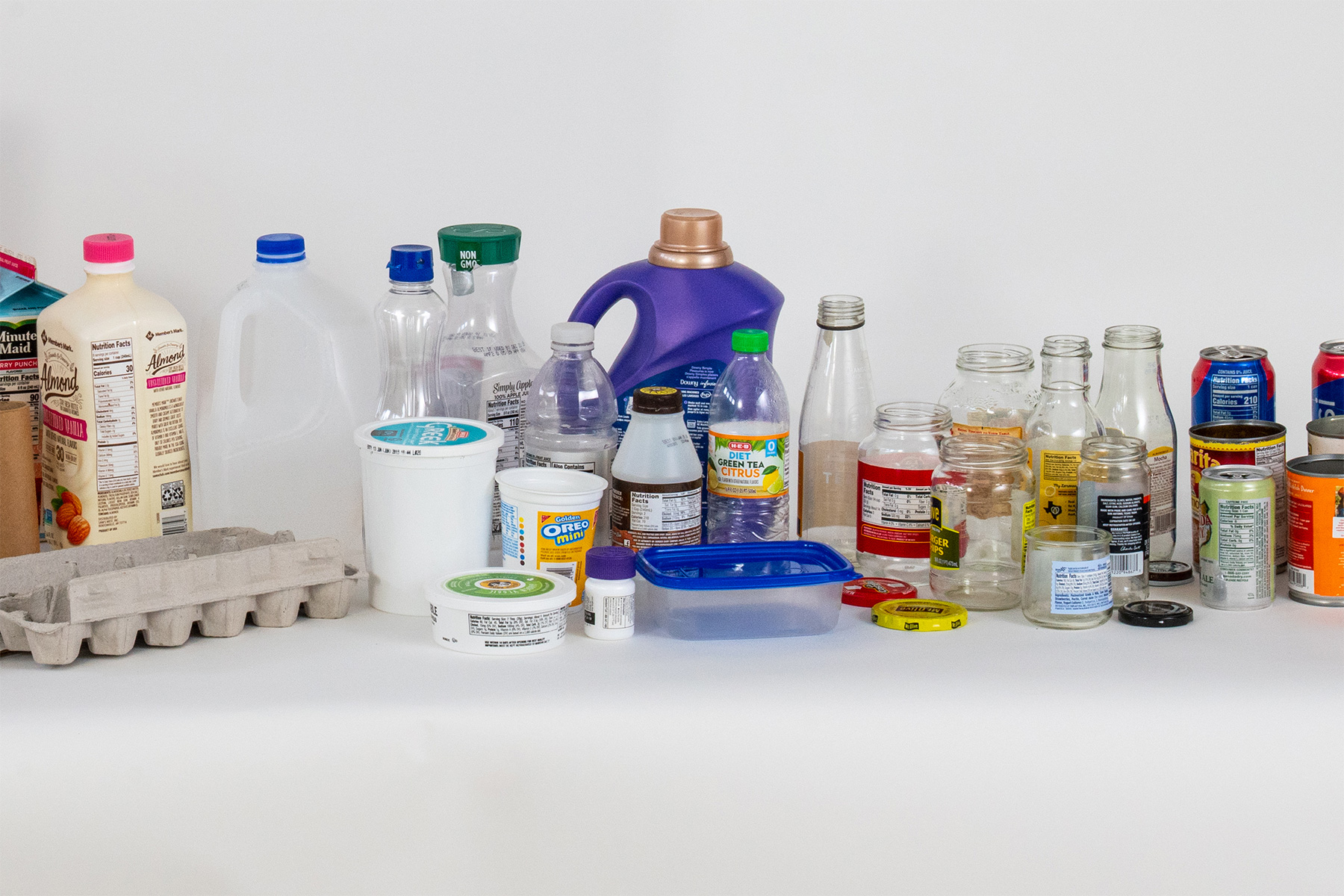
Customers tell us frequently that recycling is confusing. It does not have to be if you follow a few simple guidelines.
For all other items or materials, use the search tool to learn how to dispose of almost anything. Putting unaccepted items in the blue recycling cart is called contamination. See why contamination is a big problem.
What you put in the blue cart matters but also how you put it in is important, too.
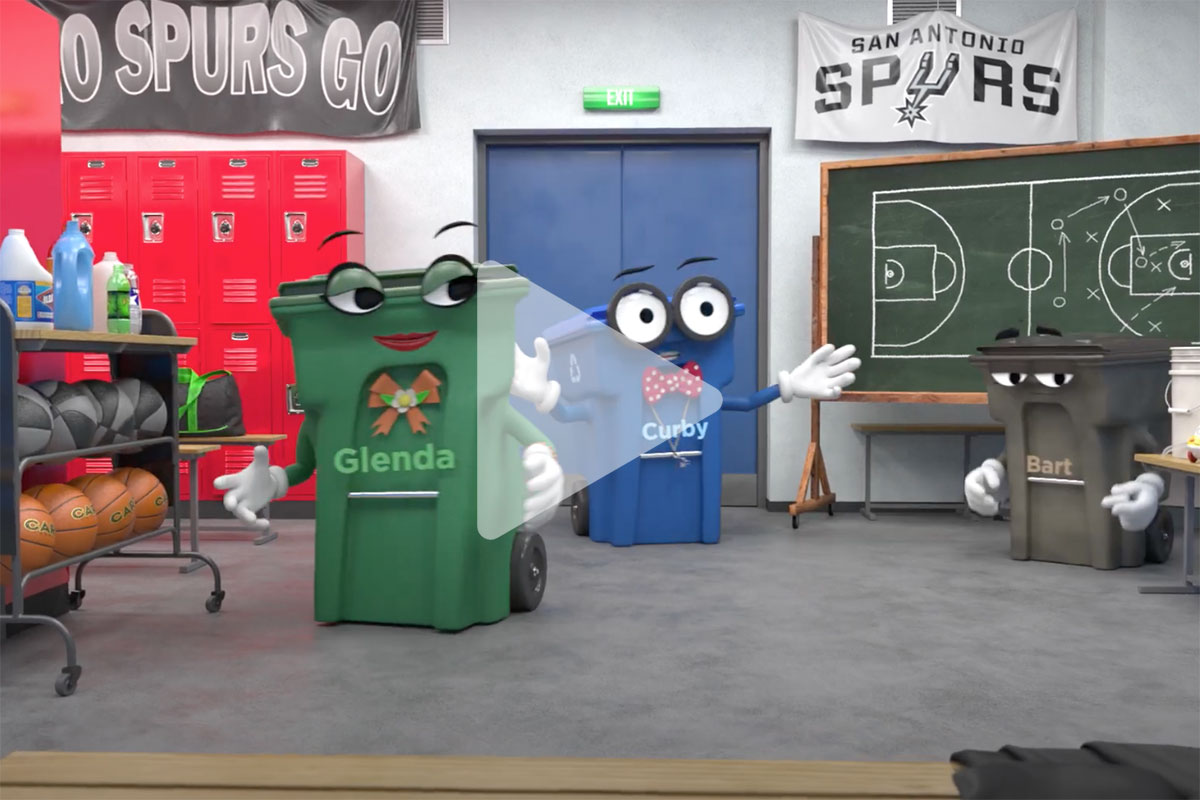
We produce videos and commercials to promote recycling and composting and how to use the carts correctly.
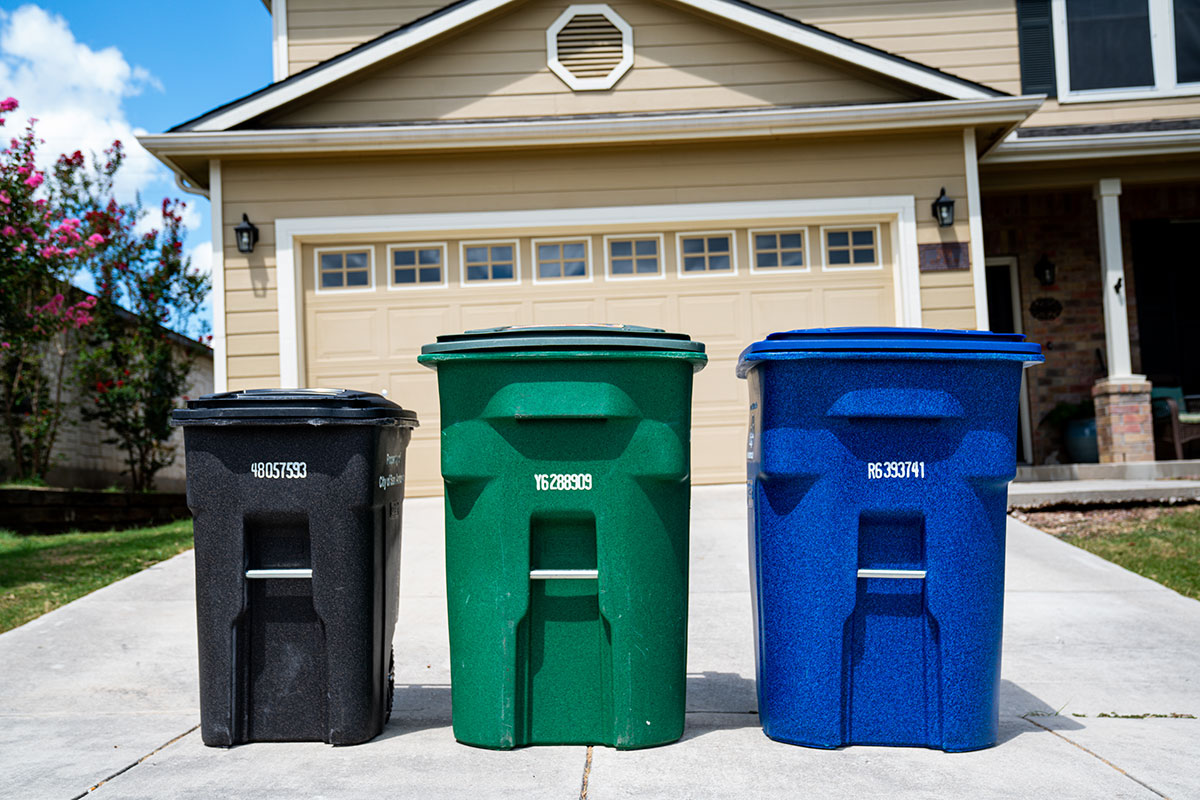
When a new residential customer occupies an existing home that receives Solid Waste services, the existing size brown trash cart and fees for that size of brown trash cart apply to the new residential customer. Collection service begins when the CPS Energy account is established. Trash carts come in large, medium and small sizes.
For customers that have moved into a newly constructed house that does not have existing carts, please call 3-1-1 or 210-207-6000 and carts will be delivered. Please note, the medium trash cart is the default size for the brown cart.
San Antonio also has recycling and organics/composting programs. In addition to the brown trash cart, customers should have a blue recycling cart and a green organics/composting cart. Only traditional single-family home customers should have blue or green carts. If you are missing any of these please contact 3-1-1 or 210-207-6000.
Private/gated communities, new developments, non-traditional properties such as In-Fill Development Zones (IDZs) and Planned Unit Developments (PUDs), multifamily properties of 5 or more units, and small businesses may be eligible for City waste collection services by exception. The property owner, HOA or community’s authorized representative must contact 3-1-1 or 210-207-6000 to request a Property Assessment.
For information and requirements please visit City Ordinance for Solid Waste and Information Bulletin 576.
Monthly collection fees are assessed by the size of the brown trash cart and billed to your CPS Energy bill. There is a $3.00 fee called the Environmental fee that allows access to the Solid Waste drop-off centers. In addition, a $2.00 Parks fee is also included on your CPS Energy bill. The current collection fees are:
As the fees above show, the smaller the cart, the lower the fee. If you are not filling up your brown trash cart, why pay for empty space? Customer can request to downsize their brown cart.
The blue recycling and green organics carts are serviced free of charge. Recycling and organics/composting are collected one day out of the week by two different trucks and trash is collected a different day of the week. Use our Collection Day Finder to find out when your carts are picked up.
Each of our three programs for trash, recycling and organics/composting have specific guidelines about what is and is not accepted in the brown, blue and green cart. Also, there are policies for collection day to follow. These tips will ensure your carts are serviced.
If you think your cart has been missed, please wait until 5:00 pm and then call 3-1-1 or 210-207-6000. The driver may just be a little behind.
It is unlawful for residents to deface, paint, write, stain, carve, scratch on any public refuse or recycling containers.
Four times per year, curbside collection is provided for large brush piles and bulky items – twice for each. Customers receive a door hanger telling them of their collection week or you can use our Collection Day Finder to determine your schedule.
Putting the wrong item in the wrong cart is an expensive issue for San Antonio. We call this contamination. For repeated contamination, customers at that address may be assessed a fine. Learn how you can avoid a fine.
Solid Waste operates Drop-off locations around the City for large brush, bulky items and household hazardous waste - good to know after you are done unpacking. Learn about locations and hours of operation.
The SWMD provides an assistance service at no cost to customers who are not physically able to roll their carts to and from the curb. Contact 3-1-1.
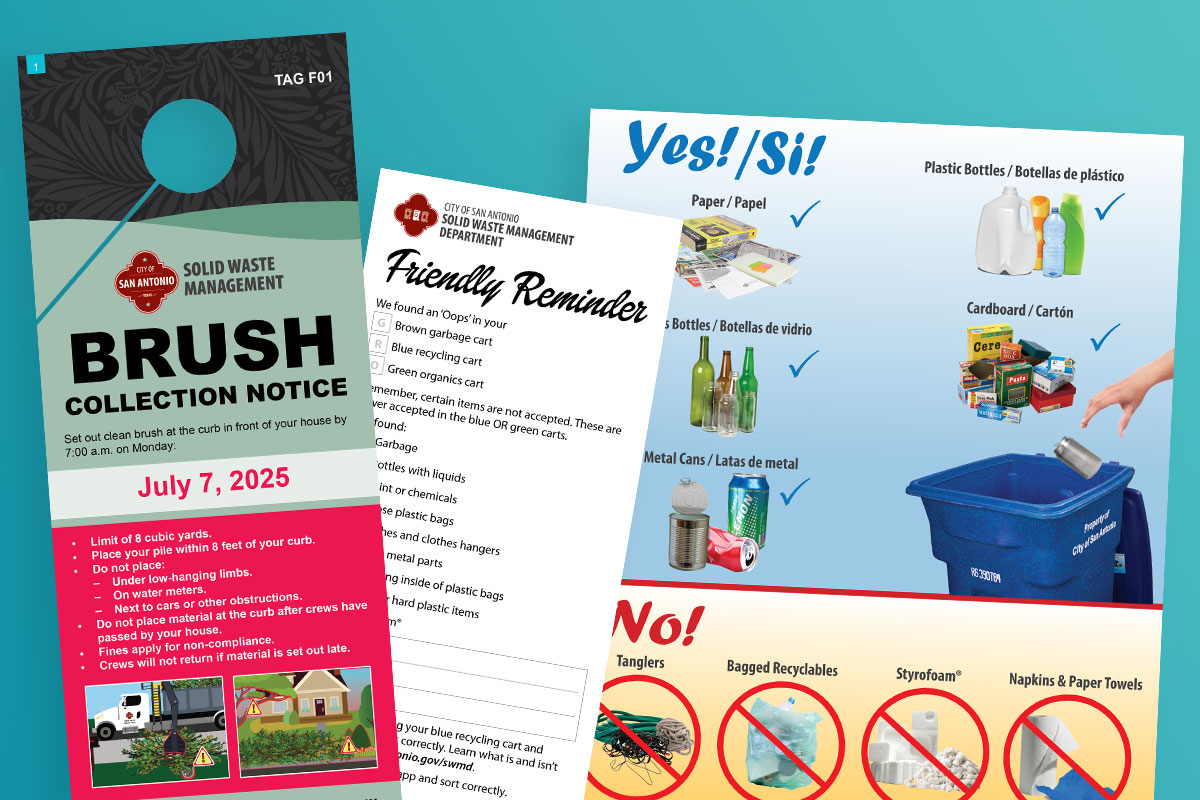
We communicate with customers in a variety of ways including door hangers and cart tags. If you receive one, you can find out what it means here. Follow us on Facebook for the latest information on holiday schedules, special events, weather updates and so much more.



San Antonio’s recycling and organics programs are only successful when their guidelines are followed correctly. Placing unaccepted items in the blue and green carts is referred to as contamination.
The City’s Solid Waste Department contracts with a recycling processing company that is privately owned. This materials recovery facility (MRF) accepts our material, processes it and then sells the commodities on the global recycling market. When the material is contaminated, they cannot sell it.
If the City’s recycling trucks drop off loads that are too contaminated by weight, the MRF charges the City a fine. Here is one astounding example. In 2018, the City was charged $1.5 million just for contamination by dirty diapers.
Learn more about the recycling process from our contractor
Organic materials also go to a privately run company that turns that material into nutrient-rich compost. Non-organic material such as plastic or metal will never break down and must be removed, which is an expense of resources. This company also sells their finished product.
Contamination of organic material is very dangerous. Glass, for example can shatter during the process causing serious personal injury. We like to say, “if a worm can’t eat it, it does not go in the green cart.”
Learn more about the composting process
Although not called contamination, there are many items that should never be placed in the trash cart. Some examples include batteries, paint and chemicals, fireworks, electronics, coals, ashes or embers, dead animals as well as prescriptions and biohazardous waste.
The goal of these programs is to send less tonnage to the landfill where it will stay buried in perpetuity. Landfills create methane gas and can leak into the water table. One ton of material going to the landfill is also more expensive than recycling one ton.
Keep San Antonio sustainable. Do not contaminate your carts.
We communicate directly with individual customers in a variety of ways. Here are the methods we use and what the messages mean.